
The Arc of Discovering Gravity
Written by Isla Madden
Knowledge is never final, but part of an evolving dialogue between humanity and the vast Universe. Our evolving understanding of gravity mirrors the broader human journey toward comprehension, where each era of philosophy and science has reimagined the forces that shape our cosmos. Heraclitus of Ephesus presented one of the first philosophical intuitions that the world operates according to laws—patterns that bind phenomena together in ways that transcend immediate perception. His vision proposed a Universe unified by an ever-present governing principle he called the Logos.
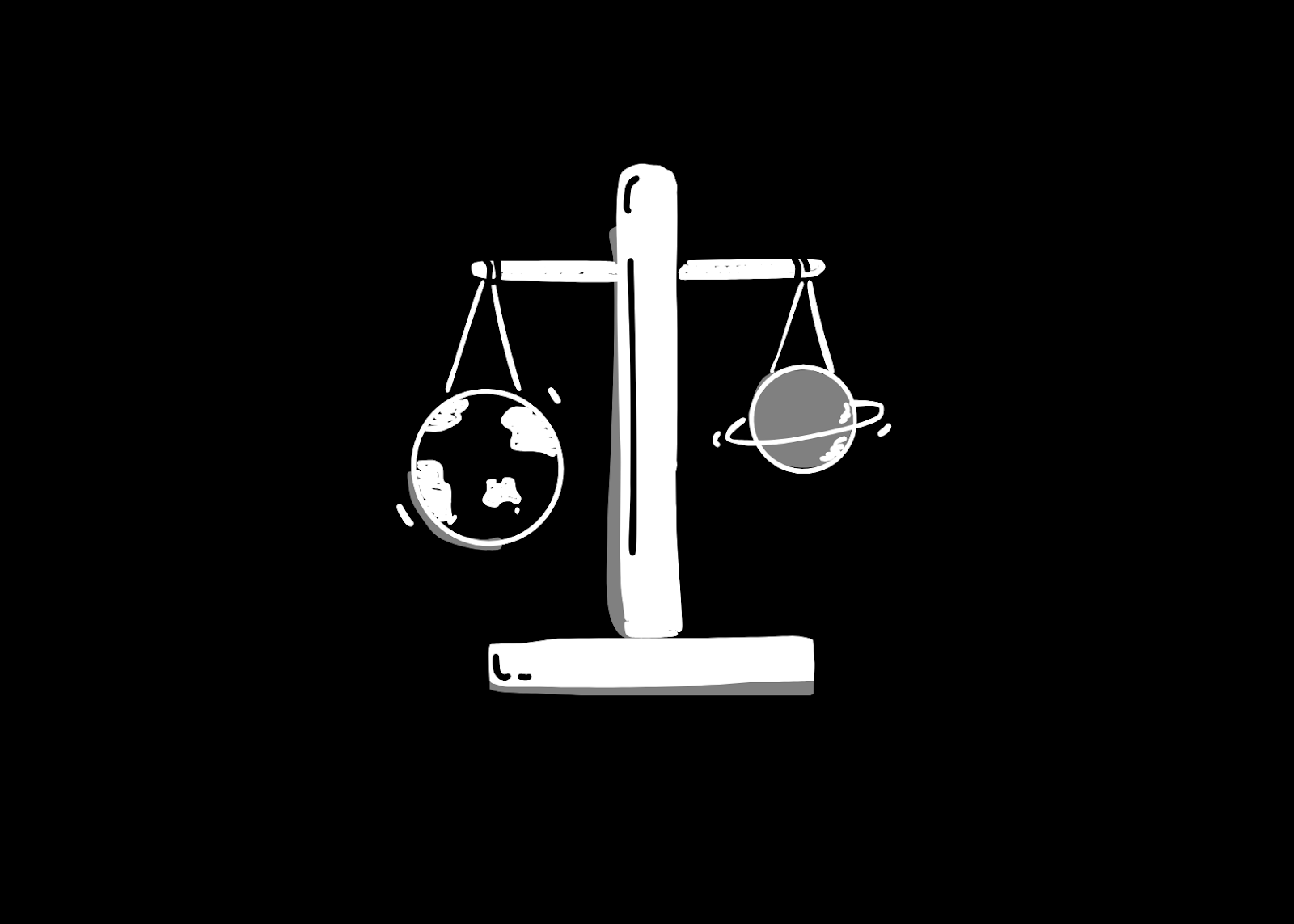
Aristotle later attempted to synthesise competing ideas into structured physics. He believed that objects sought their “natural place”: heavy bodies moved downward toward the Earth, while celestial bodies moved in perfect, eternal circles. Though proven inaccurate by modern astronomy, this concept marks a crucial evolution—the attempt to classify motion, causation, and the principles underlying natural behaviour. Aristotle’s division between terrestrial physics and celestial perfection dominated understanding for nearly two thousand years.
In the early 4th century BCE, Epicurus offered a radically different view of nature. Building on Democritus, he argued that the cosmos is composed of atoms falling through the void, occasionally colliding due to a spontaneous “swerve” (clinamen). This atomic framework provided one of the earliest naturalistic explanations for motion and cosmic structure. These ideas began to strip away the need for divine intervention, insisting that the workings of nature arise from physical principles alone.
From the 3rd century BCE onward, the Stoics moved closer to the idea of a universal law. They imagined the cosmos as a single living organism held together by pneuma, a divine, structuring breath that acted through tonos, a tension permeating all matter. Pneuma bound objects, maintained cohesion, and instilled order. The Stoic cosmos was interconnected and dynamic, governed by laws that operated everywhere. Gravity was much later conceived, however the Stoic idea of a unifying physical principle anticipates the notion of universal forces interacting across the fabric of the cosmos.
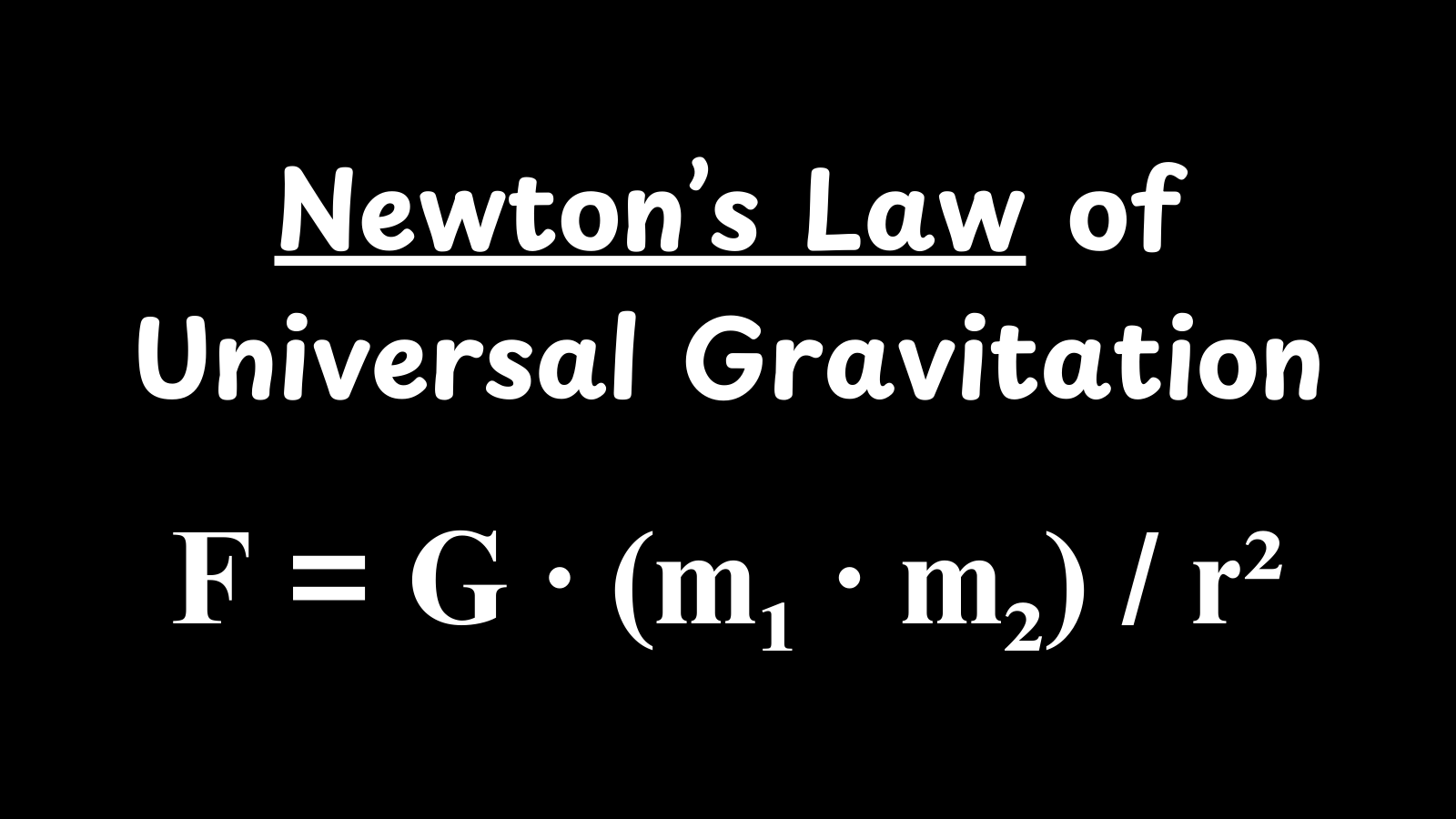
More than a millennium later, Isaac Newton would provide the breakthrough that united these early insights with quantitative precision. In his 1687 Principia, he proposed the Law of Universal Gravitation, revealing that the force pulling an apple to the ground is the same force governing the motion of the Moon and planets. He expressed this with the now-iconic equation: every mass in the Universe attracts every other mass with a force proportional to their masses and inversely proportional to the square of the distance between them. With this single insight, Newton dissolved Aristotle’s boundary between Earth and sky, placing all motion under one coherent law.