
On Consciousness in the Universe
Written by Isla Madden
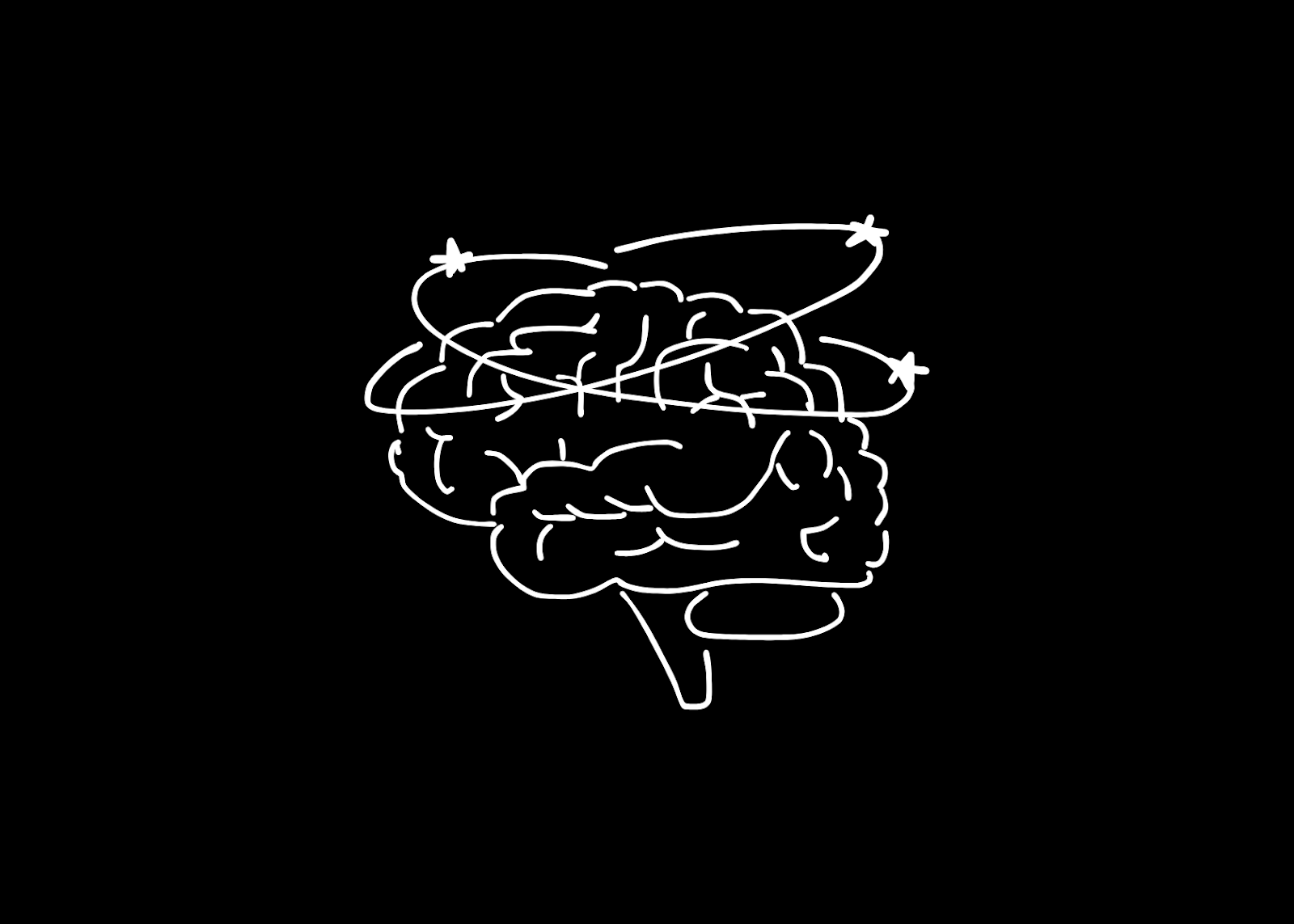
Consciousness remains one of the most mysterious and profound aspects of existence—a phenomenon that allows us not only to experience life but to reflect on the very nature of reality. It is the lens through which we perceive the world, interpret events, and make sense of our place in the cosmos. While it emerges within the human mind, consciousness may not be confined to our biology alone. Across cultures and disciplines, it has been contemplated as both a personal awareness and a potential universal principle, suggesting a deep, intrinsic connection between our inner lives and the vast, unfolding Universe around us.
Understanding consciousness invites us to explore the boundaries between mind and matter, self and cosmos, and the finite and infinite. Lucius Seneca reminds us of our profound connection to the cosmos, where consciousness is embodied in the concept of 'God.' This reflects the Stoic cosmological view of divinity—understood as reason or logos—immanent in all existence: “God is the universal substance in existing things. He comprises all things. He is the fountain of all being. In Him exists everything that is.” (Lucius Annaeus Seneca)
In psychology, consciousness is studied as awareness of self and environment. Cognitive processes, memory, and attention shape subjective experience, while neural networks underpin perception and thought. Human consciousness allows us to interpret the vast Universe, bridging inner experience with outer reality and constructing meaning from cosmic phenomena, the constellations or the motions of the planets.
Psychology frames consciousness as the mechanism by which the Universe becomes subjectively known. Spiritually, consciousness transcends the material, linking individuals to a greater universal essence—this awareness beyond thought. Consciousness is a thread that links human awareness to the cosmos, suggesting that our minds reflect a larger, universal consciousness permeating all matter and life across space and time.
Consciousness has long been interrogated by philosophy, which questions the nature of existence, perception, and reality. Dualism, which separates mind and matter, where panpsychism proposes universal awareness. As a construct, consciousness challenges assumptions about selfhood and the cosmos. Consciousness connects us to the infinite, while challenging our understanding of existence. Awareness may be a product of biology, or a fundamental property of the Universe itself, becoming both a mirror and a participant in the unfolding of the cosmos. Perhaps consciousness is as intrinsic as space, matter, and energy.