
Time in the Absence of Absolutes
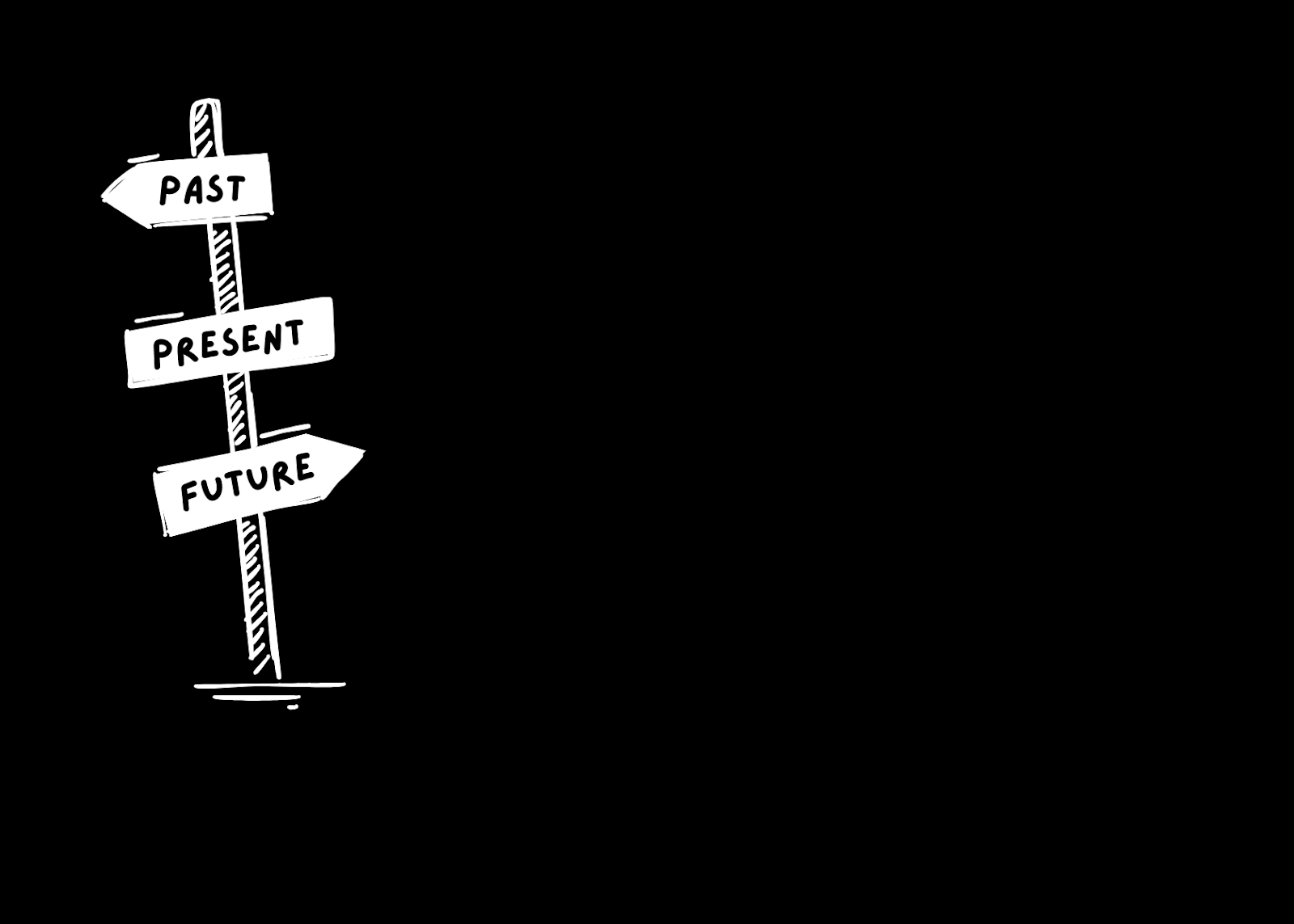
The measurement of time saw it evolve into a resource, reshaping our relationship with it. Modern physics tells a story far stranger than the familiar illusion of absolute time, where time is not separate from space, but woven into a four-dimensional fabric: spacetime. We may step backward, sideways, or stand still in space; in time, we cannot. This fourth dimension carries us downstream as its passengers. Moments unfold relative to the present, from those that occurred before, to those that will follow.
The physical laws of our Universe shape how the passing of time feels to us. The sensation of “running out” begins here, not in the structure of the Universe, but in the limits of human embodiment. To manage this constraint, we learned to measure time. Clocks evolved from the celestial to the atomic, and as our methods increased in precision, time quietly transformed into a commodity—something to be counted, divided, scheduled, and sold.
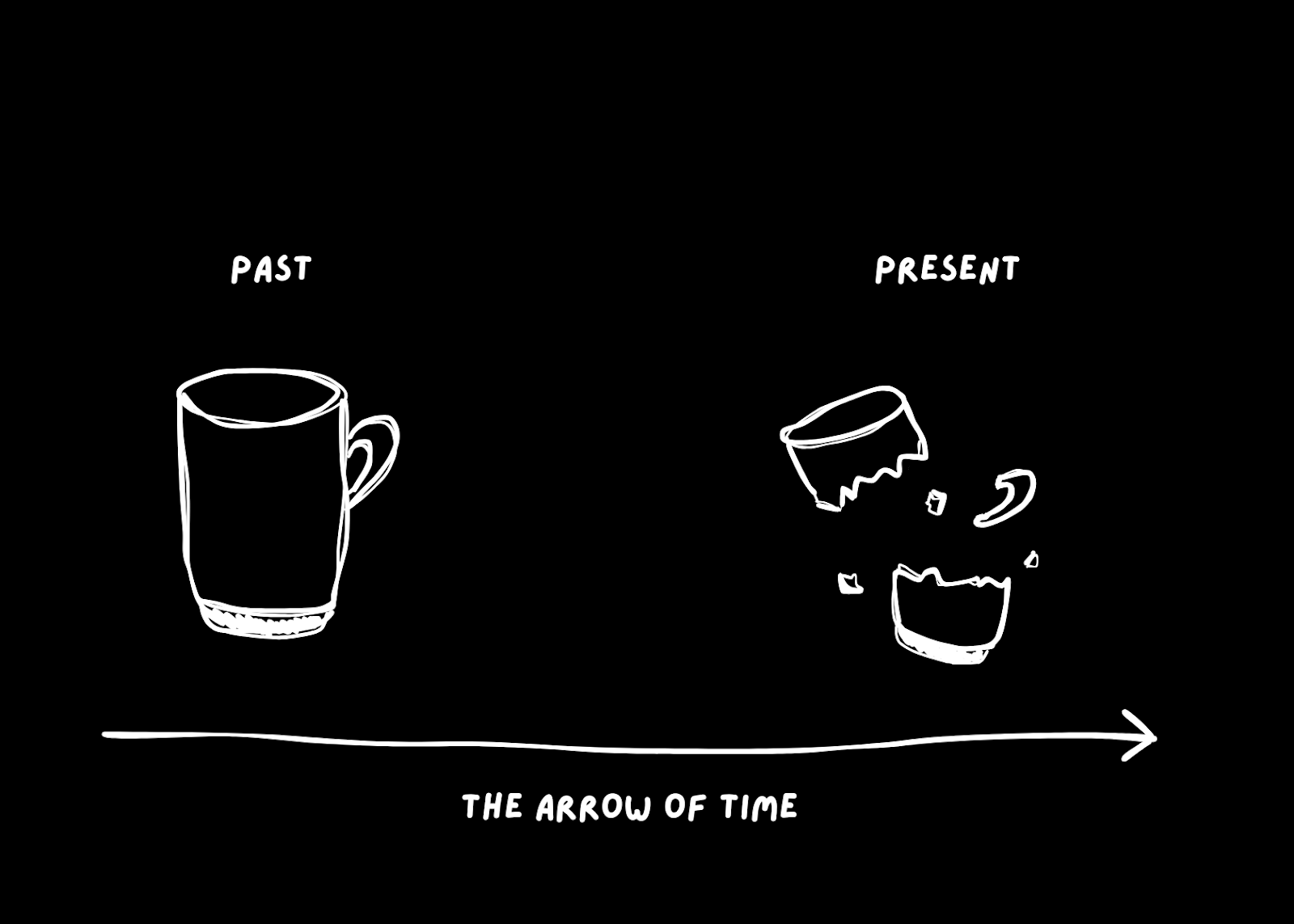
If the fundamental equations governing motion work equally well forward or backward in time, what gives time its direction from past to future? The sense of time “running forward” is not imposed by clocks, but by the thermodynamic structure of the Universe. The arrow we experience arises from entropy—the tendency of closed systems to move from ordered states to disordered ones. A shattered glass does not reassemble itself; heat flows from hot to cold. This statistical tendency gives time its asymmetry. We remember the past, not the future, because entropy was lower then
Written by Isla Madden
Time is not a universal metronome; instead, it bends and stretches depending on the cosmic environment and the observer’s frame of reference. Einstein’s theory of general relativity shows that mass and energy warp spacetime itself, affecting the rate at which time passes in different gravitational environments. In stronger gravitational fields, clocks tick more slowly relative to clocks in weaker fields—a phenomenon known as gravitational time dilation.
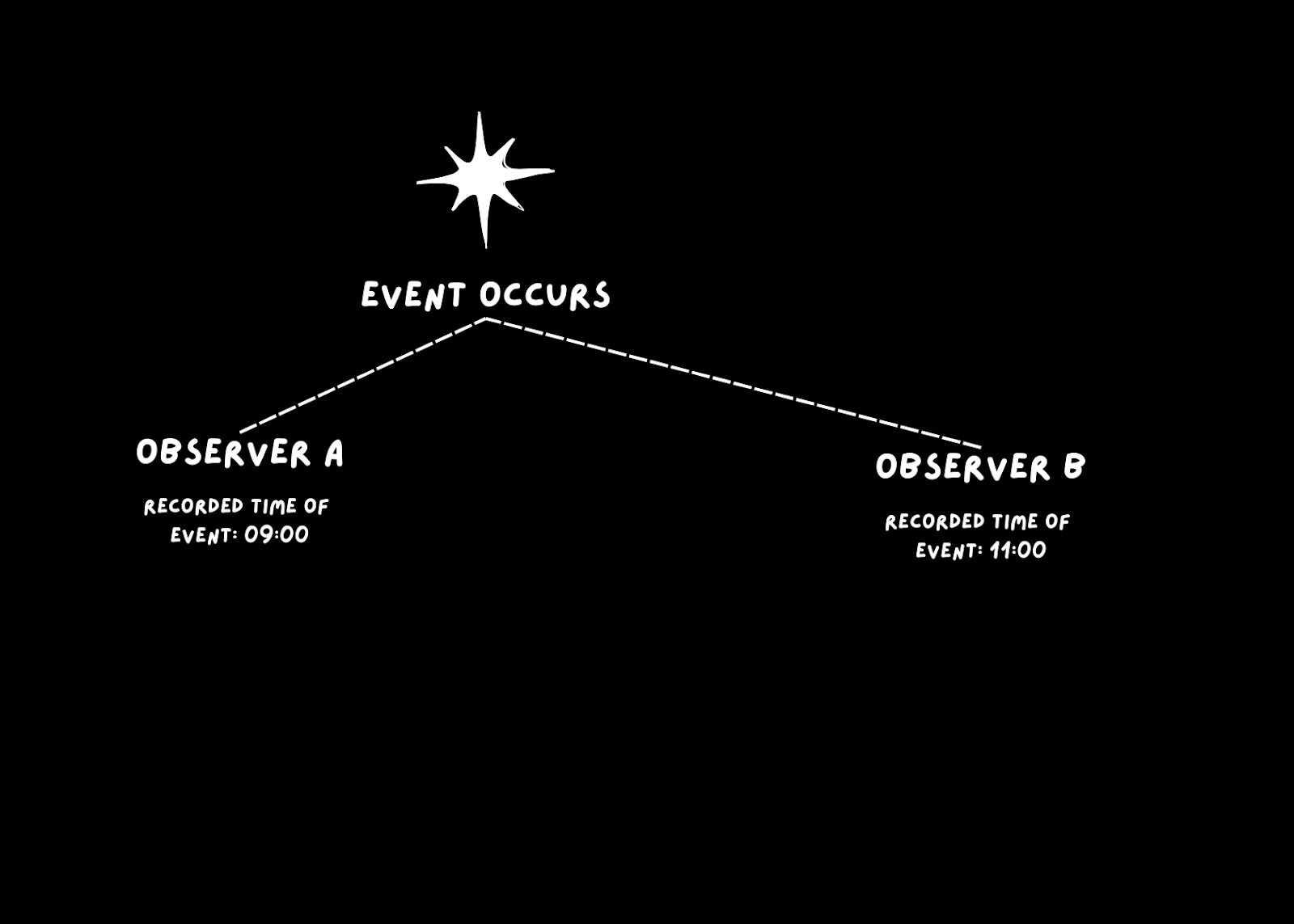
Special relativity describes the nature by which time depends on motion, as well as gravity. Two observers moving at different speeds will disagree on how much time has passed between the same events. The Universe does not share a single, absolute “now.” Each observer carries their own timeline. If time itself is relative, its scarcity begins to appear less like a cosmic truth and more like a human interpretation.
French philosopher Henri Bergson distinguishes between quantifiable, abstract time and lived duration (la durée), the continuous flow of temporal experience that constitutes real consciousness. In his seminal work Time and Free Will: An Essay on the Immediate Data of Consciousness (1889), he writes: “Duration is the form which the succession of our conscious states assumes when our ego lets itself live, when it refrains from separating its present state from its former state.” The flow of time is inseparable from our experience. It is a place that we inhabit, where our experience is shaped by the nature of attention and awareness.